
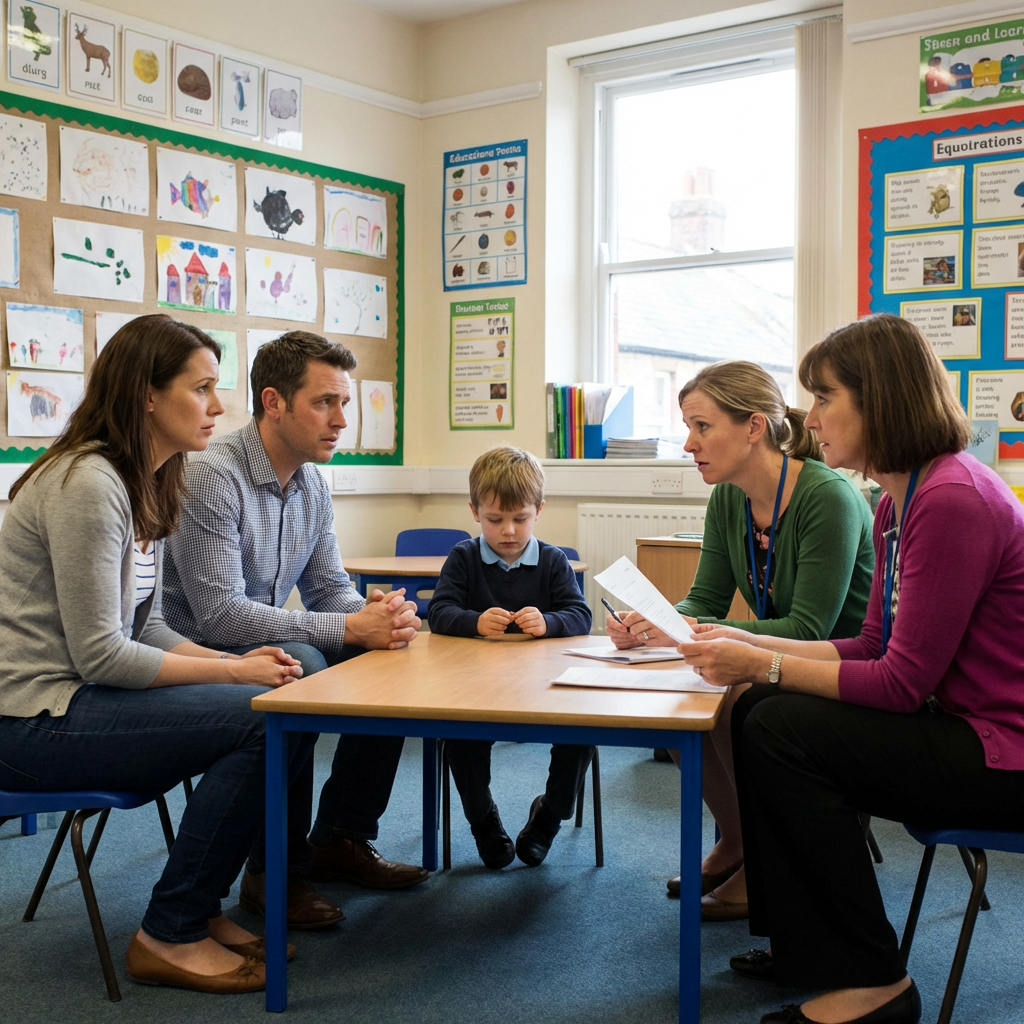
Parents send their children to school expecting them to be safe, educated, and respected. In reality, teachers are just people with likes, dislikes, biases, and prejudices. We often assume that teachers are held to a higher standard. They will love our children as we love them. It isn’t always that way. Pud had a teacher who favored girls, one who favored the rich or powerful parents, one who hated conflict, so the most vocal parents were attended to. It is not a fair world; we tend to believe in a just worldview, but that is not always the case. The elementary years are the most challenging for our children. They have to learn social skills, build new schemas, and understand different worldviews. They are expected to find their place in the world (their classroom) on their own. We hope we have given them enough skills to survive, but sometimes we put too much stock in the teacher.
Pud had friends in his early years who later became bullies. He had teachers who later admired his work on social media and whose hearts were torn apart by his live events. At the time, they were so different. It is amazing what we expect from our teachers in those early grades, classes that are too large, materials that are at best par, and special education needs that are not identified. Our children are put into situations that make learning difficult for them because their special needs are not being met.
I had a client who was expelled due to his behavior of aggression and violence. When he was trained in Theraplay techniques, monitored with neurosequential modalities to track his heart rate and breathing, and taught self-regulation. He had a completely different behavior in the classroom. This is not a therapeutic modality most children can engage in, but the techniques should not be foreign to our teachers. If the teachers know of this modality, they probably do not have the time or skills to use it effectively.
Pud was no different from other kids trying to find their place. Learning to model after other kids, trying to put what was being taught into place where he could remember, retrieve, and reuse as needed. He was open to learning, but found it hard and demanding. He tried to stay focused, but it was difficult amid all the activity. He could not find his place. School and home were so different.
One teacher reported she thought he had auditory processing issues and needed to be tested. His father agreed to the testing; however, he did not know that the testing was not completed at school and would cost $1000 out of pocket. The testing was not done because his father was waiting for the school to do it, and he thought they had, but they never found anything or told him the results. He did not realize he had to do the testing.
All this waiting made it hard to know where Pud should be in terms of classroom structure. He was not low enough for special education; however, he could not process quickly, making the regular classroom difficult to keep up with. He was in the middle, without testing, without IEP help, and without a family to keep an eye on what was happening in the classroom.
Teachers would overhear something and yell at him. Though not always responsible, Pud’s freeze response appeared incriminating. Late processing let others take advantage, leaving him punished for actions he did not commit. Teachers can only observe what’s visible, but appearances can be misleading. All of this made school deeply frustrating for Pud. He dreaded attending and did not feel secure.
Once teachers saw him, really saw who he was, it was after he was out of their classroom. Why is that? Our children with neurodiverse needs should be seen in the classroom. I had one teacher say, “I do not know what sensory processing disorder is, and I have no idea how to help him.” They would poke the bear, so to speak, making it harder and more dangerous for the child. Walking in a line is hard for a child who struggles with proprioceptive issues. Yelling at them to stay in line is not helping; it does not teach them anything except that I am bad, I can’t be normal, or I am the issue. It also gives others the right to push, pull, or pick on them. I watched as Pud was in line when a child pushed him; he fell and was the one in trouble for not staying in line.
Without a clear diagnosis, people are unsure how to help children who need extra support. Teachers prefer smooth classrooms, and that’s understandable when teaching to standards with 25 or more students. However, when faced with a neurodiverse child without medication or a formal diagnosis, what are the options?
The question lingers, and parents are never sure. If you can get into occupational therapy, mental health counseling with a good play therapist, and/or some physical therapy (all costly and usually after deductibles are met), that will help your child build a solid foundation of self-esteem, self-awareness, and a secure attachment. It may not help with friends, bullying, or incidents, but it will give them enough bravery to understand they need to advocate for themselves.
Pud struggled in the early grades and made friends. He got his work done with a lot of help at home. He participated in all the events with his parents, in front of the teachers, so they knew they were being watched. They would call meetings, but needed clear, accurate notes because they were not dealing with pushover parents. Pud had the help and knew his parents would fight for him. Did it make it easier in those first 3 years in school? Not really. He was always fighting because he did not understand how people could not understand him, why they would not listen to his needs, and he was not sure what his body was doing. But he knew at home, he was safe, we would learn new skills, and we would question whatever the teacher was saying to be sure he was only in trouble for things he did, and if the teacher did not understand him, we made sure they knew what he was saying, his needs were, and his ability.
Pud’s sensory processing disorder was so bad that the OT was surprised he could make it through a school day. He would bump into walls, step on people’s feet, miss the ball, drop his books, and smash his lunch, all by accident because of balance, shakes, and a lack of understanding. His processing speed was more like a 5-year-old, not an elementary schooler. The school would report these things, but did not have a name for it. SPD is not a school-recognized disorder, and medication will not help the child ‘do better’ in the classroom. Pud was also sick quite often as he did not eat well-balanced meals, and meals were such a challenge and an annoyance to fight each day. In the early years of school, days off and sick days were days we could catch up, learn the skills, and go back into the daily fight for another few weeks.
Pud said, ‘Why am I always the one who is hurt? Why do they always blame me for things I do not do?” This was his early years of school, and with all the bad, he still enjoyed the social engagement, the fun, and learning. Kiddos are so surprising and amazing if we see who they really are under the expectations of normal.
 Kid from Missouri travels
Leave a comment