
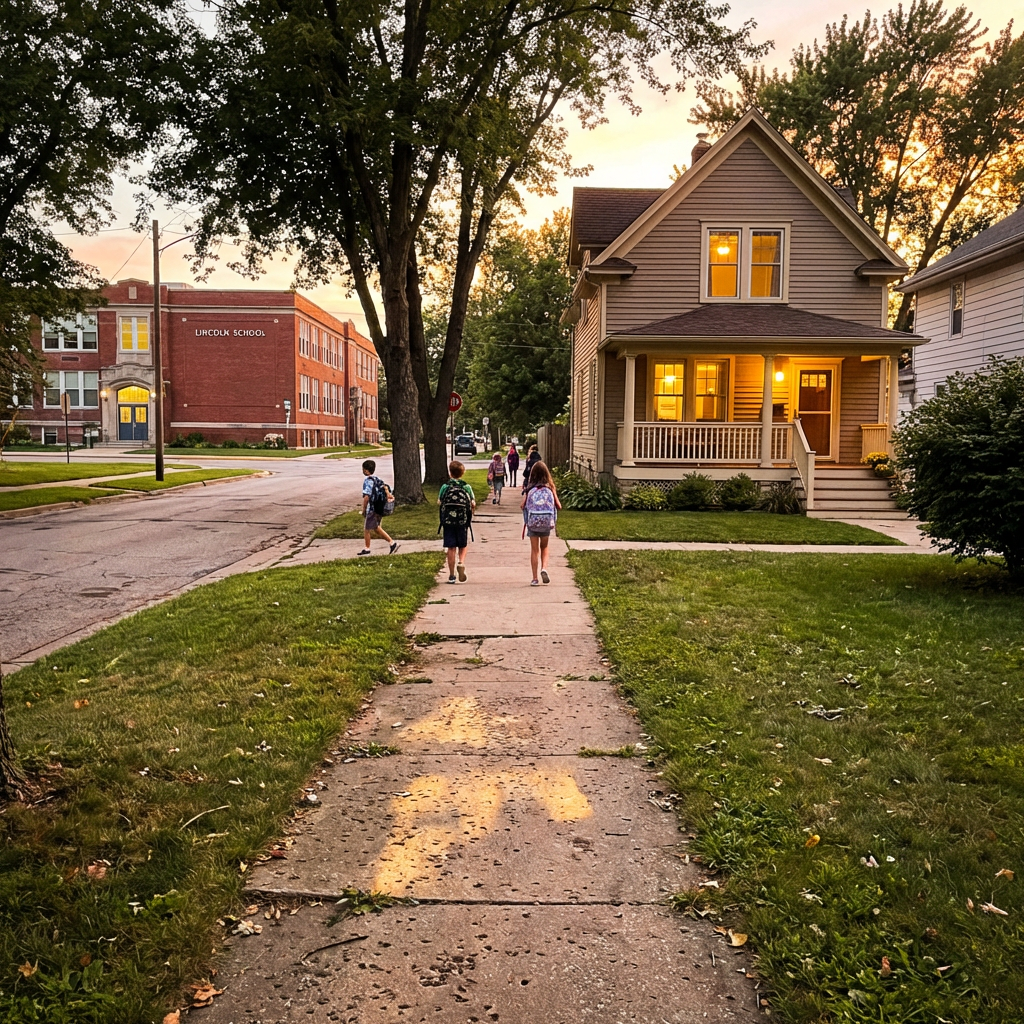
During the last few years, Jr High School for Pud was done at home through homeschooling and virtual learning.
Transitioning to home/virtual school began after traditional junior high, as discussed in Christian’s blog. I enjoyed home/virtual school because it was quieter. However, the change also revealed significant challenges.
Home/virtual school revealed that Pud missed some key skills necessary for success. He struggled in typical classes, but excelled in SPED classes when he understood the material. This skills gap explained his difficulties fitting into either environment.
As we navigated this process, we observed that when Pud was stressed and felt he was not heard, he would become frustrated and act out with a meltdown/tantrum. It was difficult to know whether it was a meltdown due to an overload of information and a lack of connection with the classroom and teacher, or if his stress and frustration caused a tantrum. Furthermore, home/virtual school had some carryover, which we had to address once we realized it was his schema for school and schoolwork.
To address this, we used folders, whiteboards, and online programs to help change Pud’s perspective on school. Our goal was to make learning enjoyable and to show him that education could be built on, not just be a source of frustration. Over time, he began to enjoy school and see that he could shape his day, even though he still needed to finish his work by the expected deadlines before doing other activities.
Pud learned to manage his emotions and sensory needs. Understanding these, he accepted himself and communicated his needs. He took sensory, motor, and creative breaks. Once he saw that learning could be fun, he identified his preferences without feeling like a pawn or prisoner.
As we planned each day during those first homeschool years, his sensory needs were included. We also added homeschool events such as skating, gym, and co-op groups. In that first year at home, it became clear his fear was extreme, his self-esteem was low, and he was unable to advocate for himself. He needed constant reassurance, connection to trusted people, and security toys throughout that initial year.
Recognizing these challenges, we began to focus on his sensory needs, emotional understanding, and, lastly, academics. Through this approach, he began to grow, build his confidence, and manage his own emotional regulation. It was not as much co-regulation as self-regulation on a daily basis. He began to grow physically, which helped with the body presentation, proprioception, and self-worth.
He was able to spend time on the trampoline, making new obstacle courses, and use the park daily for his sensory diet. We found that if he had time three times a day, he could make time for his education. He could order his day as he needed it. Meaning, if I were working, he would pull out his folders and begin his self-study. During breaks, we would work on the lessons he needed help with, or I would teach a new skill.
Despite these improvements, we were told that as he grew and matured, his sensory overload and meltdowns would begin to level out. I am not sure if that is true if he had stayed in school during his Jr High years. Previously, he had developed a routine of destruction, bullying, a lack of joy, a schema for hating teachers, distrust of authority, and rejection of instruction.
After spending several years at home, Pud was prepared for High School. Throughout junior high, the plan had been for him to return to in-person school for high school. Now, with renewed confidence and understanding, he reported that he was ready to go back. Although he admitted to being scared, he knew in-person high school was the best next step for him at this time.
When he went part-time for the 8th grade in the second semester, after Christmas break. He was surprised by how much he had grown. How confident he was, and how much he knew. He was able to advocate for himself and request different lunch times, classrooms, and seating. He realized he had missed a few things because his working memory was still low and his processing speed was slow, leading to mistakes in understanding and keeping up with what was being said.
One event was Valentine’s; he did not know he needed a paper signed to participate. He remembered that in earlier years of school, everyone was invited to participate. He sat in school, class after class, watching as everyone else received cards and candy, and he did not. His father was livid, and his mother called the school to find out that he had been given a paper for his father to sign so he could participate. That paper was at the bottom of his backpack. He still struggled with organization, memory, and the order of importance.
He didn’t have a meltdown, tantrum, or outbursts of tears after school. He told the story, asked us to look into it, and said, “Well, it was just candy, and I get a lot of that at home.” Completing the last half of the year in public school, he learned important lessons. He was not bullied; he was able to defend himself and keep up. Most importantly, Pud finished the year not just feeling prepared for high school, but confident in his ability to face new challenges and to be himself.
 Kid from Missouri travels
Leave a comment